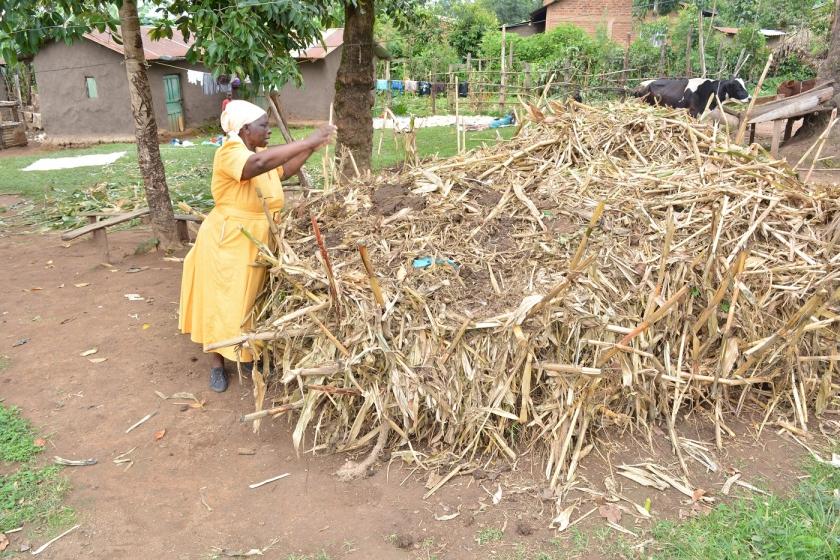
Years of intensive agriculture and reliance on synthetic fertilizers have left many soils in Kenya degraded, compacted, and nutrient-poor. To build true climate resilience, we must start from the ground up — by restoring soil health. Composting is the most cost-effective way to achieve this.
What is Composting?
Composting is the biological decomposition of organic waste materials into a rich, dark, humus-like substance. It transforms common farm residues, weeds, and kitchen waste into high-quality soil conditioner.
Building a Basic Compost Pile (The 4 Pillars)
1. Greens (Nitrogen): Fresh grass clippings, weeds, vegetable scraps, manure. 2. Browns (Carbon): Dry leaves, straw, maize stalks, sawdust, cardboard. 3. Water: The pile should be moist, like a wrung-out sponge, but not waterlogged. 4. Air: Turn the pile every two weeks to supply oxygen to the decomposing microbes.
By adopting composting, smallholder farmers can cycle organic waste, save money on synthetic inputs, and produce nutrient-dense food sustainably.