In rapid reforestation projects, there is a temptation to plant fast-growing exotic trees (like eucalyptus or pines). However, introducing non-native species can deplete groundwater resources, dry out soils, and fail to support local wildlife.
The Power of Indigenous Trees
Native tree species have evolved over thousands of years to adapt to Kenya's specific soil types, rainfall patterns, and temperature fluctuations.
Bringing Back the Canopy
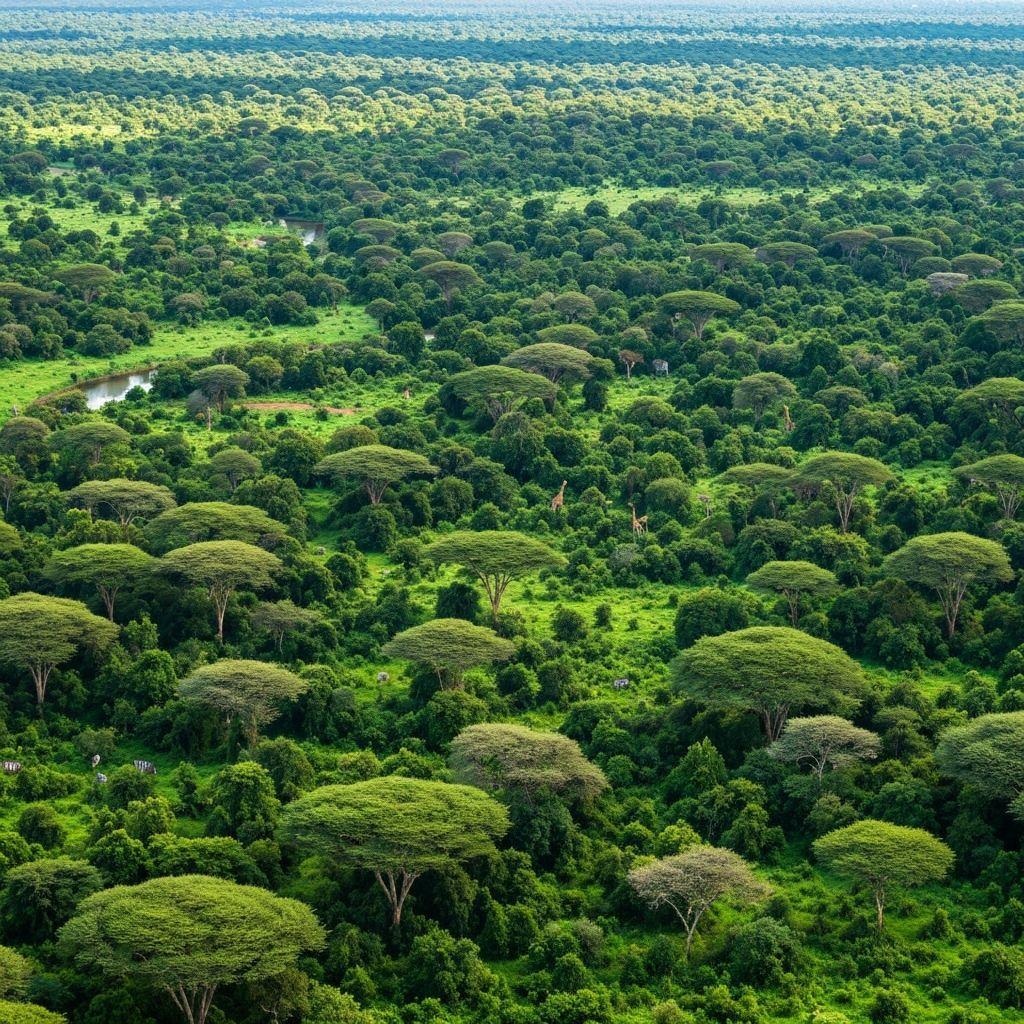
We prioritize planting indigenous species like Acacia, Markhamia, and Croton in our tree planting drives. These trees take longer to grow, but they set down deep roots that establish permanent, self-sustaining habitats.
Restoration is not just about greening a landscape — it is about reconstructing a complex, healthy, and biodiverse ecosystem.