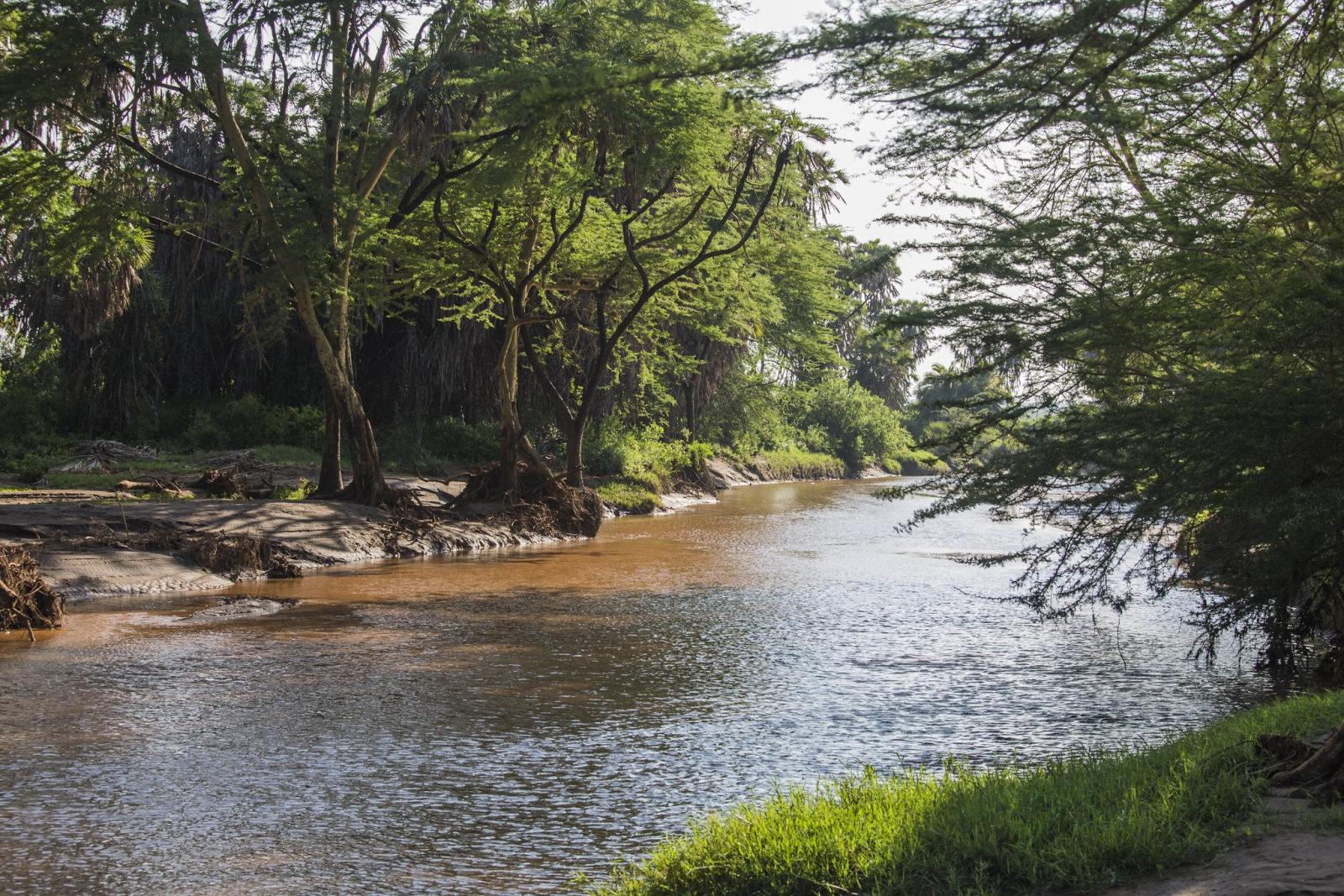
A common misconception in environmental conservation is that planting trees is a universal fix for every degraded landscape. While trees are critical, restoring a watershed requires a comprehensive, system-wide approach.
What is a Watershed?
A watershed is an area of land that channels rainfall and snowmelt into creeks, streams, and rivers, eventually flowing to a common outlet like a lake or reservoir. If the surrounding land is degraded, the water flowing into the river carries silt, agricultural fertilizers, and waste.
Our Restoration Approach
To protect our local river, our restoration team did not just drop seedlings. We established a multi-layered buffer zone along the banks:
1. Root Binding: Securing the immediate bank with bamboo and native reeds whose fibrous roots bind the soil. 2. Organic Filters: Installing vetiver grass strips to trap silt and absorb chemical runoff from farms. 3. Indigenous Canopy: Planting native shade trees to reduce water temperature and evaporation rates.
Restoring the riverbanks protects water sources for hundreds of downstream families and preserves critical habitats for regional biodiversity.