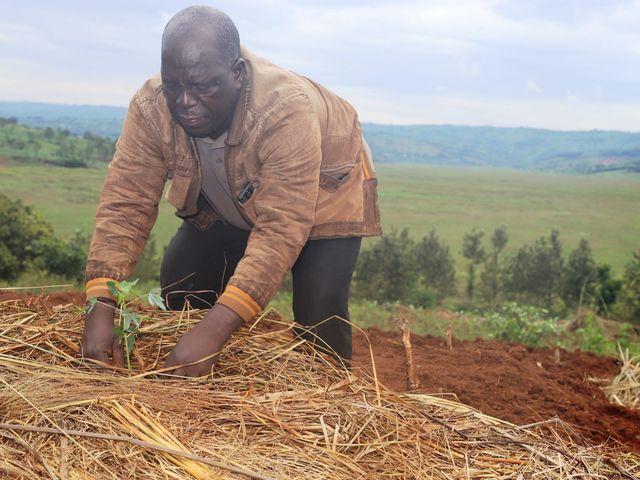
For smallholder farmers in Kenya, water is often the most critical factor determining success or failure. With rainfall patterns becoming increasingly erratic, preserving every drop of moisture in the soil is no longer just a best practice — it is a survival strategy.
The Science of Mulching
Mulching is the process of covering the soil surface with organic materials like crop residues, dry grass, or wood chips. This protective layer acts as a barrier, preventing direct solar radiation from hitting the soil and reducing evaporation rates by up to 60%.
How to Apply Mulch Correctly
When applying mulch, leave a small gap around the base of the plant stem to prevent rot. Aim for a thickness of 2 to 3 inches. Using crop residues like maize stalks or bean straws after harvest is an excellent way to recycle organic matter.
By integrating mulching with drip irrigation, smallholder farmers can protect their crops during dry spells, conserve local water sources, and enhance overall soil health.